 Battle of the Parks™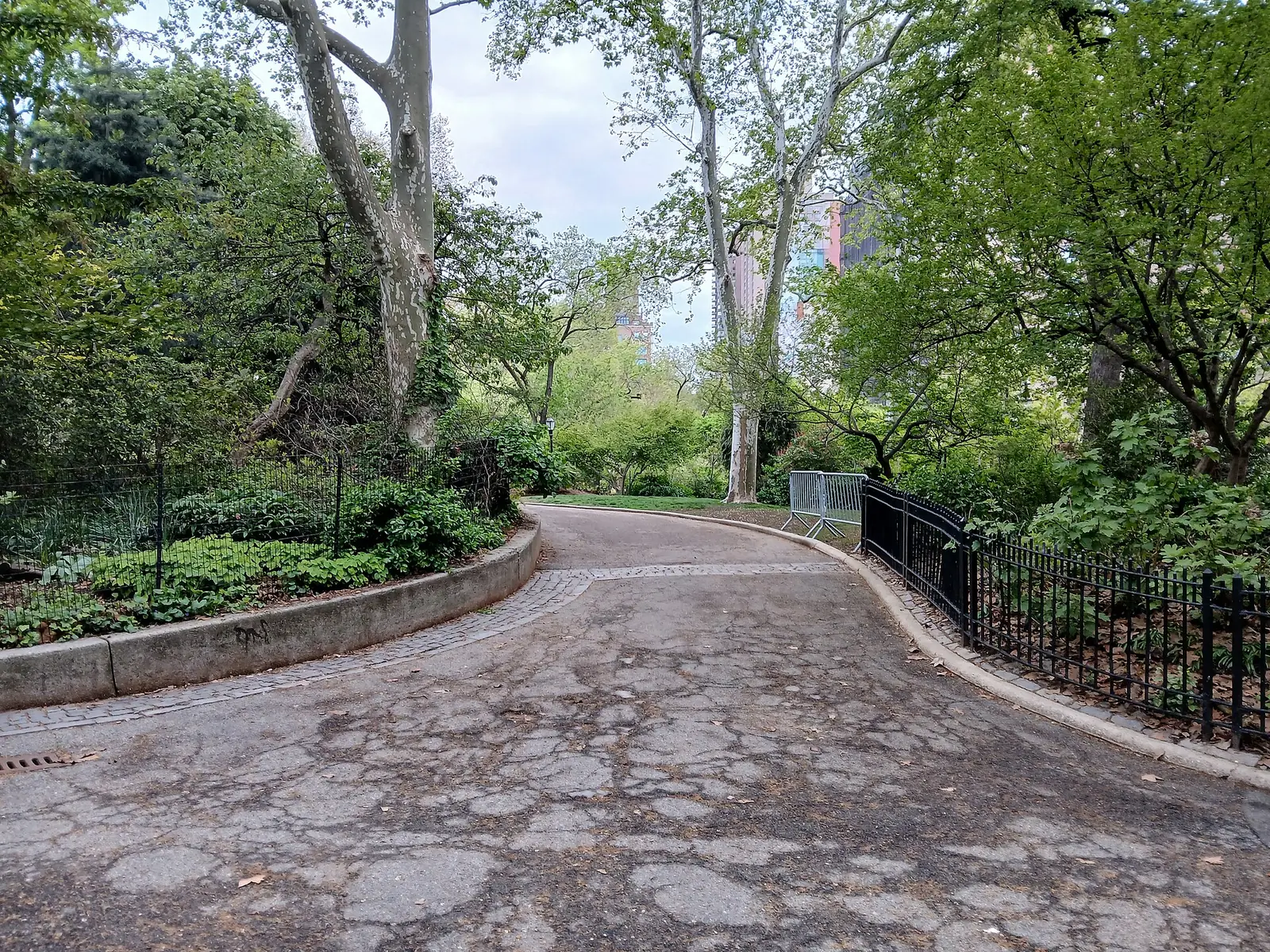

One Net
Before the blue courts, there was just blacktop.
In 2022, Albert "the Pickleball Doctor" and his brother Gilbert started setting up portable pickleball at Carl Schurz Park. One net became three. Albert hauled the gear in, eventually on a customized bicycle, laid everything out in the morning, and came back around sundown to take it home.
See Albert's net-hauling bike → Patch
The courts were unofficial. The pavement was cracked. Albert and Gilbert filled some of the cracks themselves. Players brought equipment, improvised lines, and taught newcomers. A handful of people became a real Upper East Side open-play community. By February 2023, Parks officials were describing three unofficial courts and a group with more than 1,000 members.
"It's not a big deal."
Albert · Patch · 2023
City Hall
Then the city noticed.
Assembly Member Rebecca Seawright backed the players early, hosting a community wellness and pickleball event at Carl Schurz with Manhattan Parks Commissioner Anthony Perez, Albert instructing. Seawright later recognized Albert for building the local scene. Council Member Julie Menin passed neighborhood comments along to Parks.
Perez brought a compromise to Manhattan Community Board 8: three official courts, tighter spacing, and room left for other play. The Full Board approved it.
In May 2023 the asphalt was resurfaced and three bright-blue courts were painted into the park. Temporary lines became permanent ones.
Pickleball Wars
Success created a different problem: everybody wanted to play.
Waits could stretch toward an hour. Advanced players pushed for dedicated challenge-court time. Others said public courts should stay open to everyone. Neighbors wanted the blacktop back for kids, roller hockey, and general play. Picklers wanted a fourth court.
More than 80 players eventually gathered on the courts to hash it out. Local papers ran headlines like Pickleball Wars and Pickleball Brawl.
See the 80-person court meeting → Patch
For a sport built around a plastic ball and a seven-foot kitchen, Carl Schurz had developed an impressive amount of geopolitics.
The Daily Show
Albert starts by hauling portable nets into a neighborhood park. The courts become official. The neighborhood argues over them. Then he winds up explaining pickleball on national television.
In 2024, Albert the Pickleball Doctor appeared on The Daily Show with correspondent Michael Kosta. He walked through dinks, kitchens, and pickleball's strange vocabulary before Kosta and Ronny Chieng took the court.
Today
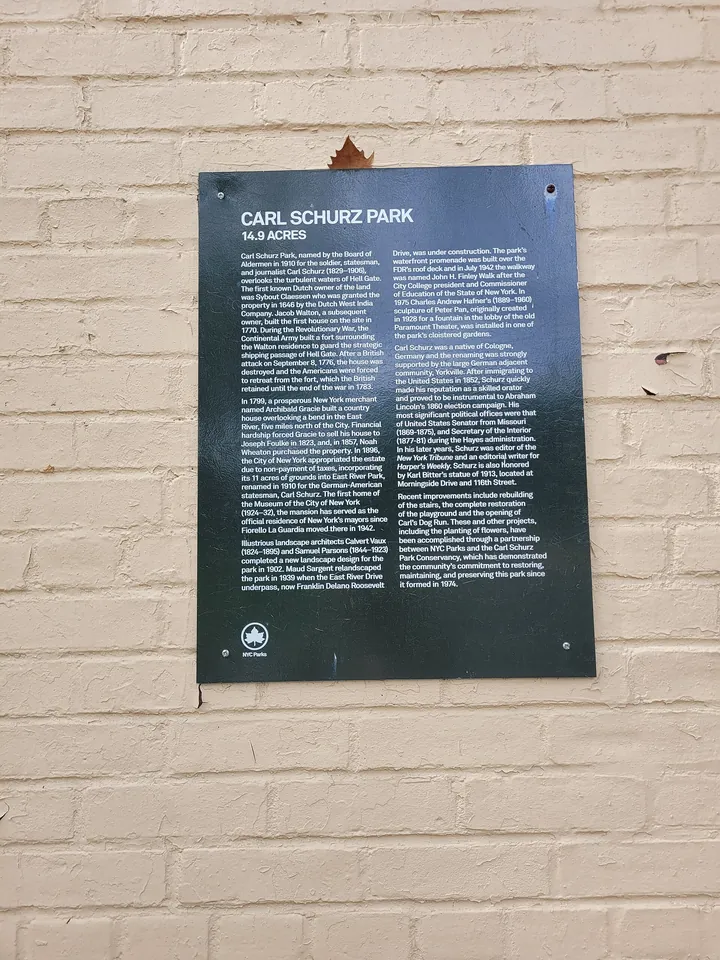
Three public pickleball courts sit beside the East River where those portable nets first appeared. Whatever side of the Carl Schurz pickleball wars you land on, the courts exist because neighborhood players showed up, organized, pushed the city, and kept showing up until temporary lines became permanent ones.
Carl Schurz didn't inherit its pickleball courts. Its players made a case for them, won a decision from the city, and have been arguing over the scorecard ever since.

The People
-
Albert "the Pickleball Doctor"
Organizer
Central grassroots organizer. With Gilbert he brought the early nets, kept the surface playable, ran open play, and pushed for official courts.
-
Gilbert
Co-founder
Albert's brother. Part of the original setup and the early surface repair work.
-
Rebecca Seawright
Assembly Member
Early political supporter who hosted pickleball programming at Carl Schurz and publicly recognized Albert.
-
Anthony Perez
Manhattan Parks Commissioner
Then Manhattan Parks Commissioner. Developed and presented the three-court compromise.
-
Julie Menin
City Council
Fielded constituent input and relayed it to Parks during the process.
From the archives
- The Daily ShowThe Tennis vs. Pickleball Turf War
- PatchAlbert, the bike, and the court meeting
- PatchEarly court conflict and scarce open space
- PatchCarl Schurz after the resurfacing
- Our TownPermanent courts
- Our TownFourth-court dispute
- Our TownSeawright / Albert community event
- Community Board 8February 2023 Parks meeting
- Community Board 8Full Board minutes · 39–0